
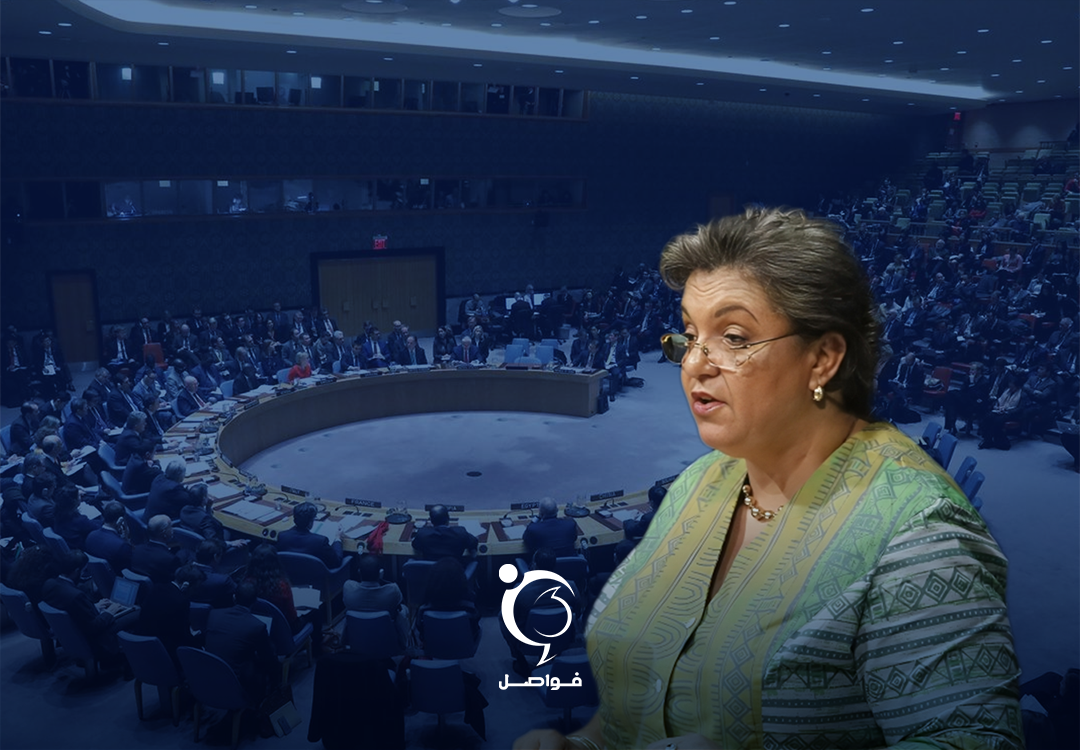
More than nine days have passed since Hanna Tetteh, the United Nations Secretary-General’s Special Representative for Libya, briefed the UN Security Council on August 21.
During the session, Tetteh presented a political roadmap spanning 12 to 18 months, aimed at ending the political deadlock in the country. However, no official statement from the Council regarding this plan has been issued to date.
International Reception
The roadmap received support and praise from international and regional actors. The European Union and its member states described it as a crucial step toward forming a unified government and holding general elections.
The Arab League and the African Union also welcomed the initiative, emphasizing their support for dialogue, national reconciliation, and the preservation of Libya’s unity.
Local Reactions
On the local level, Libyan political institutions from both the east and west, including the House of Representatives, the High Council of State, and the Presidential Council, expressed their support for the UN plan.
In the east, developments included the parliament issuing new leadership appointments within the “General Command” and the army, as part of efforts to reorganize internal structures.
In the west, the capital Tripoli has witnessed simultaneous military movements, including the arrival of forces from outside the city and internal redeployments. These actions, occurring without official clarification, have fueled anticipation and debate.
A Complex Scene
The absence of a UN Security Council statement coincides with overlapping international and local developments. While Libyans await clarity on the UN’s position, local powers are racing to arrange their affairs in both the east and west, amid a tense political and military atmosphere.

